
The Art of Craft Beer Tasting: A Sensory Experience
Unlocking the Sensory Symphony of Craft Beer
Craft beer tasting is far more than simply quenching one’s thirst; it’s an immersive journey that engages all the senses. From the moment the bottle is opened to the lingering aftertaste, a complex interplay of visual cues, aromas, textures, and flavors unfolds, revealing the artistry and craftsmanship behind each brew. This article delves into the art of craft beer tasting, exploring how to fully appreciate the sensory symphony that each glass offers.
The Multi-Sensory Approach to Beer Appreciation
True appreciation of craft beer goes beyond simply identifying whether a beer is ‘good’ or ‘bad.’ It involves a conscious and deliberate engagement with all the senses, transforming the act of drinking into a rich and rewarding experience. Sensory analysis, a scientific discipline, provides a framework for understanding and articulating the nuances of beer, allowing us to move beyond subjective preferences to a more objective evaluation. This approach emphasizes a systematic exploration of appearance, aroma, taste, and mouthfeel, each contributing a vital layer to the overall sensory profile.
Visual Cues: The First Impression
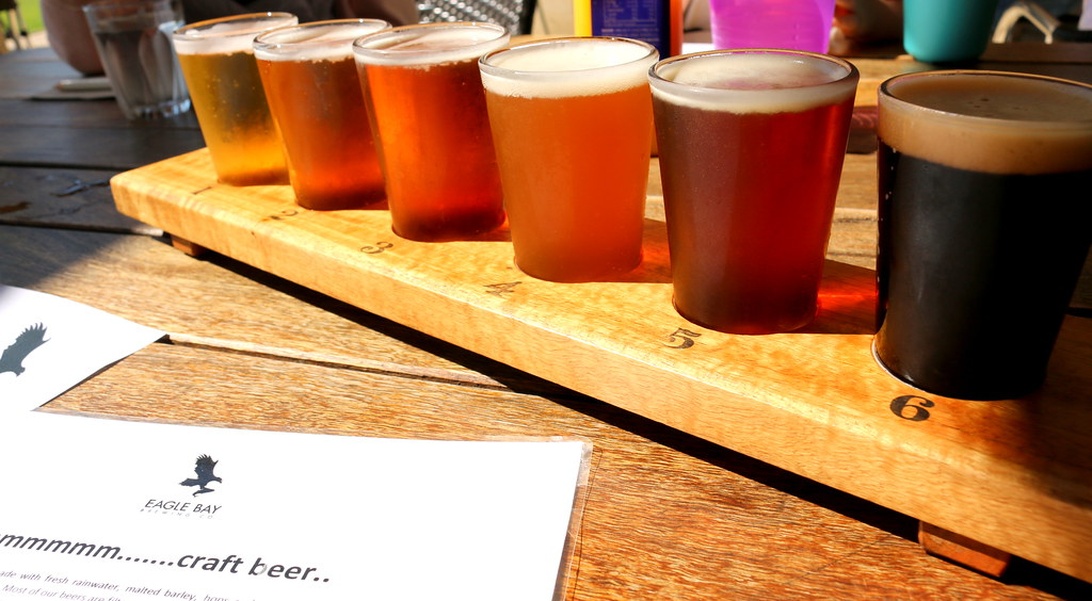
The sensory journey begins with the eyes. Before the beer even touches the lips, its appearance offers valuable clues about its style, ingredients, and brewing process. Observing the beer’s color, ranging from the pale straw of a Pilsner to the deep black of a Stout, hints at the malts used. The head, its color, size, texture, and retention, provides further insights. Is it creamy and meringue-like, or bubbly and quick to dissipate? Clarity is another important aspect. Some styles, like Hefeweizens or Hazy IPAs, are intentionally cloudy due to yeast suspension, while others are expected to be crystal clear. Even the way the beer clings to the glass, known as ‘Belgian lace,’ can offer information about its body and quality, as described in detail at MoreBeer.
Decoding Flavor: The Interplay of Smell, Taste, and Touch
While appearance sets the stage, the true heart of the craft beer experience lies in decoding its flavor. This involves a complex interplay of three key sensory inputs: smell, taste, and somatosensory perception (touch). Each of these contributes a unique dimension to the overall flavor profile, creating a multi-layered sensory tapestry.
Aroma: The Olfactory Overture
Aroma is arguably the most influential sense when it comes to perceiving flavor. As highlighted by CraftBeer.com, our sense of smell is responsible for a vast majority of what we perceive as flavor. The aromatic experience occurs through two pathways: orthonasal olfaction (sniffing directly through the nostrils) and retronasal olfaction (aroma vapors traveling from the mouth to the nasal cavity as we swallow). Gently swirling the beer in the glass releases volatile aromatic compounds, inviting a deep inhale. Hops might contribute citrusy, floral, piney, or earthy notes, while malts can offer aromas of bread, caramel, toffee, or roasted coffee. Yeast, too, plays a crucial role, contributing fruity esters or spicy phenols. The New Trail Brewing Co. emphasizes the importance of building a beer vocabulary to accurately describe these scents.
Taste: Engaging the Gustatory Receptors
Taste, a chemical sense detected by receptors on the tongue and soft palate, provides another crucial layer of information. The five primary tastes – sweet, sour, salty, bitter, and umami – interact to create a complex flavor profile. Sweetness in beer often comes from residual sugars left after fermentation, while bitterness primarily derives from hops. Sourness can be a defining characteristic in certain styles, like Belgian Lambics or Berliner Weisse, while umami contributes to the overall richness and complexity, particularly in malt-forward beers. As explained by Enjoy Food & Wine, understanding the sources of these tastes, such as the malt’s contribution to sweetness or the hops’ role in bitterness, is key to appreciating the brewer’s artistry.
Mouthfeel: The Tactile Dimension
Beyond taste and smell, the somatosensory system, or ‘touch,’ plays a vital role. This encompasses the physical sensations of the beer in the mouth – its texture, temperature, carbonation, and body. Is it light and refreshing, or full-bodied and creamy? Does it have a prickly carbonation, or a smooth, velvety texture? Is there a lingering astringency, a drying or puckering sensation? These tactile elements, often referred to as ‘mouthfeel,’ significantly influence the overall perception of the beer and contribute to its drinkability.
The mouthfeel, as described by The Beer Thrillers, encompasses the beer’s body and carbonation. Carbonation can range from the delicate effervescence of a British ale to the lively prickliness of a Belgian tripel. Body describes the perceived weight and fullness, varying from light and refreshing to rich and full-bodied.
The Influence of Experience and Context
The final, and often overlooked, component of the sensory experience is the influence of external factors and personal experiences. Our surroundings, memories, and even the opinions of others can significantly impact how we perceive and appreciate beer. A quiet, focused tasting environment allows for greater concentration, while a lively, social setting might shift the focus towards enjoyment and shared experience. Prior consumption of food or other beverages can also influence the palate, highlighting the importance of cleansing the palate between different beers. Evergreen HQ emphasizes the importance of minimizing distractions and being in a neutral environment for optimal tasting.
Furthermore, as Firestone Walker Brewing Company points out, even professional brewers, when tasting for personal pleasure, often focus on the simple question: ‘Do I want to drink more of this beer?’ While mastering the technical aspects of tasting can deepen appreciation, enjoyment remains paramount.
Elevating the Craft Beer Experience through Sensory Awareness
The art of craft beer tasting is ultimately a journey of sensory exploration. By consciously engaging all the senses, employing structured tasting techniques, and expanding our beer vocabulary, we can transform a simple act of drinking into a richly rewarding experience. This approach not only enhances our personal enjoyment but also fosters a deeper appreciation for the craftsmanship, complexity, and artistry inherent in every glass of craft beer. It’s a continuous journey of discovery, inviting us to explore the vast and diverse world of beer with mindful attention and a heightened sensory awareness. Each sip becomes an opportunity to unlock new flavors, aromas, and textures, revealing the stories behind the brews and the passion of the brewers who create them.


